

Frozen Shoulder (Adhesive Capsulitis)
Painful, progressive loss of shoulder motion; every direction feels blocked.
What it is
Capsular thickening that restricts shoulder motion in a predictable pattern. Often progresses through painful → frozen → thawing phases.
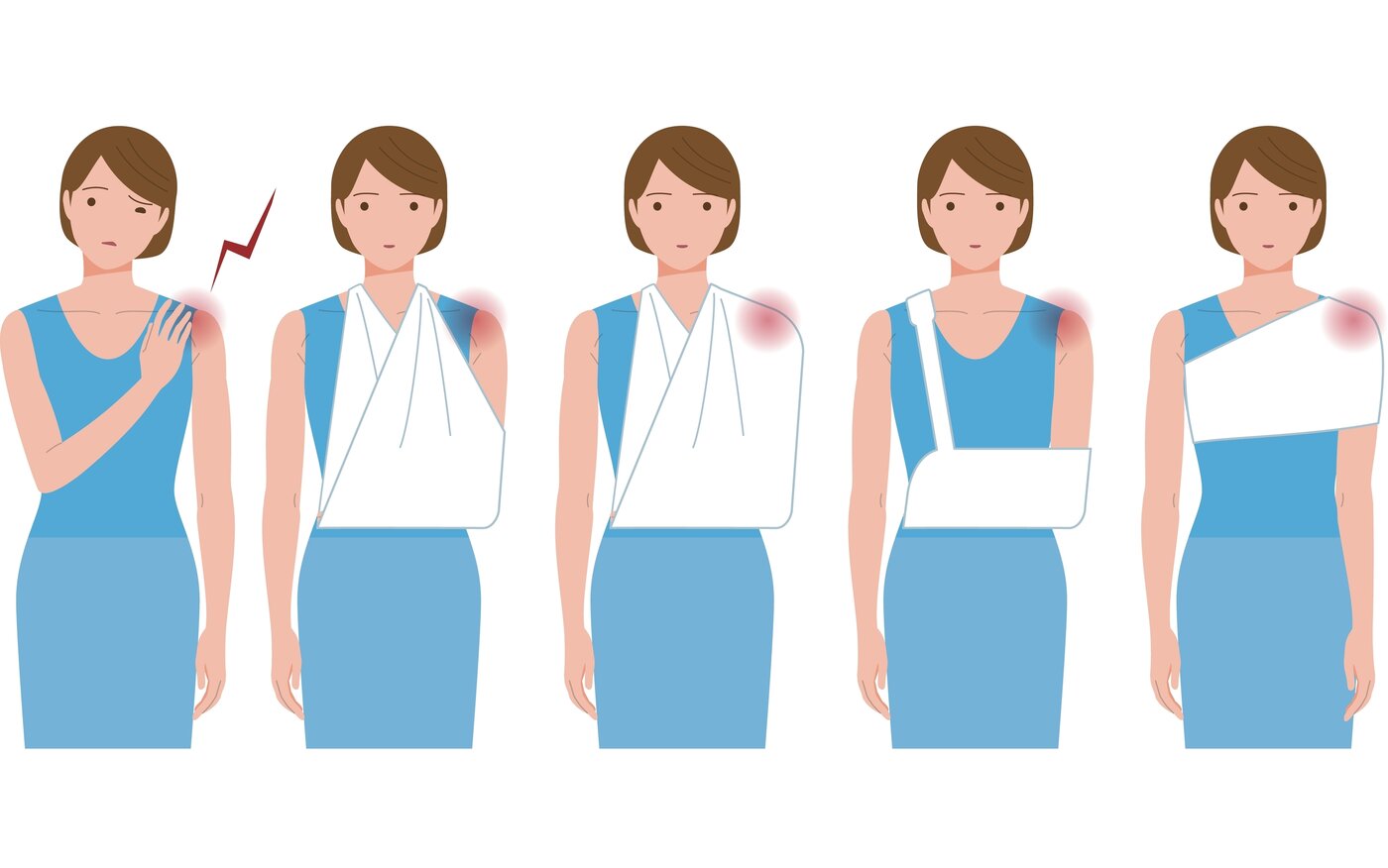
Common symptoms
- Progressive loss of motion in all directions
- Significant pain at end range
- Disrupted sleep
Why it happens: root cause
Multifactorial, sometimes triggered by injury, surgery, or medical conditions. Movement and load are key to recovery.
A closer look
Adhesive capsulitis, capsular thickening that progressively restricts motion in every direction, typically moving through painful → frozen → thawing phases. It's self-limiting over time, but the right care shortens the misery and protects function.
What causes it(Load > Capacity = Pain)
- Often multifactorial with no single cause
- Sometimes triggered by injury, surgery, or a period of immobility
- Higher risk with diabetes and thyroid conditions
Why it keeps coming back
- Rare in the same shoulder, but the opposite shoulder can be affected
- Pushing too aggressively early can flare it
Why rest, stretching, and passive care aren't enough
Aggressive stretching in the painful/freezing phase backfires; gentle mobility, pain-calming therapies (EMTT, laser), and phase-appropriate loading work better.
Conditions that can mimic this
- Rotator cuff tear
- Shoulder osteoarthritis
- Subacromial impingement
- Cervical referral
The hallmark is loss of passive external rotation. Assessment distinguishes frozen shoulder from a cuff problem; imaging rules out other causes.
How I treat it
How the ADAPT Method treats your Frozen Shoulder (Adhesive Capsulitis)
- A
Assess
Confirm the diagnosis (capsular pattern of restriction in all planes), identify which phase you're in (painful, frozen, or thawing), and screen for medical contributors.
- D
Decrease Pain
Use chiropractic mobility, then layer Focused Shockwave (ESWT), Radial Pressure Wave (EPAT), and EMTT around the shoulder capsule and surrounding tissue to calm capsular inflammation. Aggressive stretching too early backfires here.
- A
Activate
Restore range progressively with mobility appropriate to the phase; respecting the capsule rather than fighting it.
- P
Progress
Progressive loading once range returns, rebuilding strength through full available motion.
- T
Transfer
Return to overhead reach, sleep, and daily function with a maintenance program so motion doesn't slowly creep back down.
ADAPT closes the gap between LOAD and CAPACITY, lowering what's stressing the tissue while building what the tissue can handle.
FAQ
How long does frozen shoulder last?+
Untreated, the classic course runs 12 to 24 months across painful, frozen, and thawing phases. With the right care, most people shorten that meaningfully and avoid the worst of the loss-of-motion phase.
Should I push through the stretch pain?+
No, especially in the painful phase, aggressive stretching makes the capsule angrier. I pick mobility that the capsule tolerates.
Do I need surgery or manipulation under anesthesia?+
Rarely. Most cases resolve with conservative care done well. Procedures are reserved for stubborn cases that haven't responded to a real program.
Does EMTT or laser help frozen shoulder?+
Yes, and both help modulate pain and support tissue healing, which makes mobility work tolerable. They're adjuncts to the movement program, not stand-alone fixes.
Do I need an MRI?+
Usually no, at least not first. Most musculoskeletal issues are diagnosed by history and exam. I use Clarius MSK diagnostic ultrasound in-office when it actually changes the plan: confirming a tendon issue, ruling between two diagnoses, or guiding treatment. I refer for MRI when red flags or surgical questions warrant it.
Is it linked to diabetes?+
Yes, frozen shoulder is more common and tends to be more stubborn in people with diabetes or thyroid disease. I adjust the plan accordingly.
Will it come back?+
Recurrence in the same shoulder is uncommon, but the other shoulder is at higher risk. Maintaining mobility on both is worth the small daily investment.
Do you take insurance?+
Form & Function is a cash-based (self-pay) practice; I don't bill insurance directly. That lets me spend more time with you and build your plan around what you actually need, not what an insurer will approve. Fees are discussed up front. On request I can provide a detailed receipt (superbill) you may submit to your insurance for possible out-of-network reimbursement, though reimbursement isn't guaranteed.
What happens at the first visit?+
I sit down and talk through your history, training, and what you've already tried. Then I go through a hands-on movement and strength assessment, look at the painful area (and the joints above and below), and use Clarius MSK ultrasound in-office when it sharpens the diagnosis. You leave with a working diagnosis and a written plan, not a vague 'come back next week.'
Book your evaluation.
An honest assessment is the first step in the ADAPT method, and the fastest path to a real plan.