Chiropractic & Manual Therapy
Adjustments and soft-tissue work to restore mobility and movement quality.
What it is
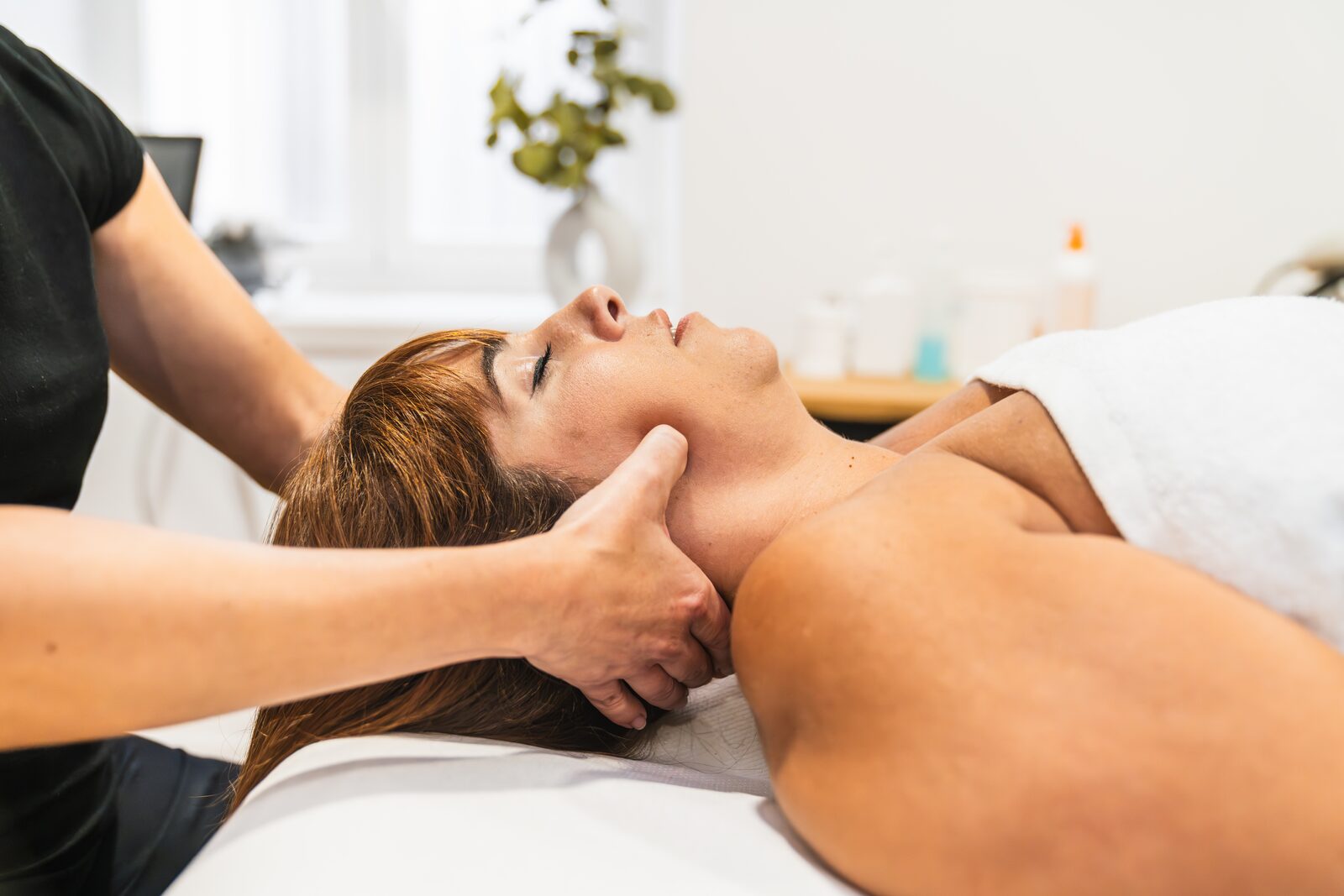
Targeted chiropractic adjustments and soft-tissue techniques to restore joint mobility, reduce muscle guarding, and improve movement quality. Always paired with active rehab, since I don't chase pain with passive care alone.
How it works
Joint adjustments restore segmental motion in joints that have become restricted, reducing local pain and improving how the surrounding muscles fire. Soft-tissue and manual techniques (instrument-assisted work, pin-and-stretch, mobilization) reduce muscle guarding and address restrictions in the surrounding fascia. Every session pairs that hands-on work with the active piece (mobility drills, motor control, and loading) so the change holds outside the clinic.
Who it's for
- Joint stiffness and segmental restriction
- Neck, mid-back, and low-back pain
- Post-training tightness and movement limitation
- Athletes who want hands-on care paired with progressive loading, not endless passive adjustments
What it helps
- Neck and back stiffness
- Joint restrictions
- Post-training tightness
- Headache and TMJ-related tension
What to expect
Typical visit is about 30 minutes combining manual therapy and active rehab cues. Frequency is built around your case, not an open-ended forever-adjustment plan.
FAQ
Do I need to keep coming forever?+
No. Chiropractic care here is part of an ADAPT plan with a clear endpoint. Once you're moving and loading well, I taper, and you don't become a permanent patient.
Will the adjustment hurt?+
Most people find it comfortable and relieving. I adjust based on what you tolerate and prefer, including low-force techniques when an HVLA adjustment isn't the right call.
How many visits will I need?+
Usually a short, defined course tied to the issue. Some cases resolve in a handful of visits; others need a longer ramp paired with loading work. I tell you the plan up front.
How soon will I feel better?+
Many patients feel a meaningful change in the first 1 to 3 visits. Lasting change comes from pairing the hands-on work with the active rehab I program.
Do you only adjust, or do you also do soft-tissue work?+
Both. Adjustments, instrument-assisted soft-tissue work, mobilization, dry needling when indicated, and active rehab are all on the menu; I use what your case needs.
Can I keep training?+
Yes, almost always. I'll tell you exactly what to modify and for how long.
Is chiropractic safe? Is it evidence-based?+
Yes, when delivered by a trained DC and matched to the right case. The techniques I use are well-studied for the conditions I treat, and I screen for the situations where adjustment isn't appropriate.
Who is NOT a good candidate for adjustment?+
Some conditions, such as severe osteoporosis, certain disc pathologies, recent fractures, or vascular conditions, require me to avoid or modify adjustments. I screen carefully at evaluation and adjust the approach accordingly.
How is this different from a typical chiropractor?+
I pair the manual work with progressive loading, mobility, and a defined endpoint. No open-ended forever-adjustment plan and no passive-only care.
What happens at the first visit?+
History, exam, movement screen, and an honest conversation about what I think is going on, what to expect, and how many visits the plan is likely to take.
Is it covered by insurance?+
Form & Function is a cash-based (self-pay) practice. I don't bill insurance directly, which lets me spend more time with you and build your plan around what you actually need instead of what an insurer will approve. Fees are discussed up front. On request I can provide a detailed receipt (superbill) you may submit to your insurance for possible out-of-network reimbursement, though reimbursement isn't guaranteed.
Conditions I use it for
Book your evaluation.
I'll figure out whether Chiropractic is the right fit for your case.